Understanding the Basics of Biomechanics
Biomechanics, the science of movement, has become a cornerstone in athletic training and performance enhancement. In 2026, this discipline has evolved, offering unprecedented insights into how athletes can optimize their movements for better performance. By analyzing the forces exerted by muscles and the mechanics of body movements, coaches and trainers can tailor training programs that maximize efficiency and minimize injury risk.
Tech Integration in Biomechanics
The integration of technology into biomechanics has accelerated its impact. Devices equipped with sensors and AI algorithms provide real-time data on an athlete’s movements. Imagine a runner with sensors embedded in their shoes and clothing, collecting data with every stride. This data is then analyzed to provide feedback on posture, strike pattern, and even fatigue levels. Athletes can adjust their form immediately, leading to more effective training sessions.
Case Study: The Olympic Sprinters of 2026
A compelling example of biomechanics in action is the training regimen of Olympic sprinters preparing for the 2026 Games. Coaches have employed biomechanical analysis to fine-tune every aspect of their athletes’ starts and strides. By focusing on elements such as force application and stride length, these sprinters have shaved fractions of a second off their times, a significant margin in the world of competitive sprinting.
Breaking Down the Biomechanics of Team Sports
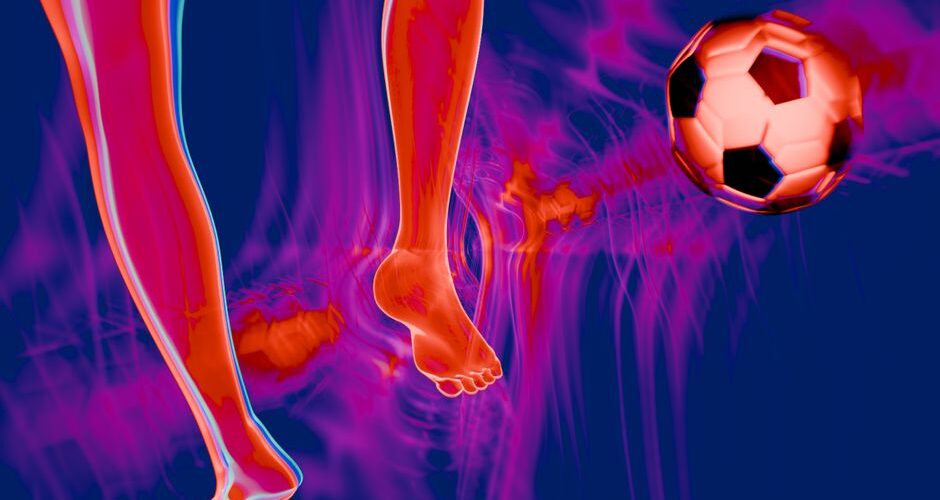
While individual sports like running and cycling have clear applications for biomechanics, team sports are also reaping the benefits. Soccer teams, for instance, are using biomechanics to improve player positioning and movement efficiency during matches. By analyzing the optimal angles and force required for passing or shooting, players can refine their technique, leading to more successful plays on the field.
Challenges and Future Prospects
Despite its advantages, biomechanics faces challenges, particularly in terms of accessibility and cost. High-tech equipment and specialized software can be expensive, limiting its use to elite sports teams and athletes. However, as technology becomes more affordable, the future promises wider adoption across all levels of sports. The potential for biomechanics to transform everyday training and coaching practices is immense, with implications for injury prevention, performance enhancement, and even rehabilitation.
Practical Takeaway: Incorporating Biomechanics into Everyday Training
For athletes and coaches at all levels, understanding and incorporating basic principles of biomechanics can be a game-changer. Start by analyzing simple movements and seek feedback from wearable technology that is now more accessible than ever. By focusing on the mechanics of movement, anyone can enhance their athletic performance and reduce the risk of injury.