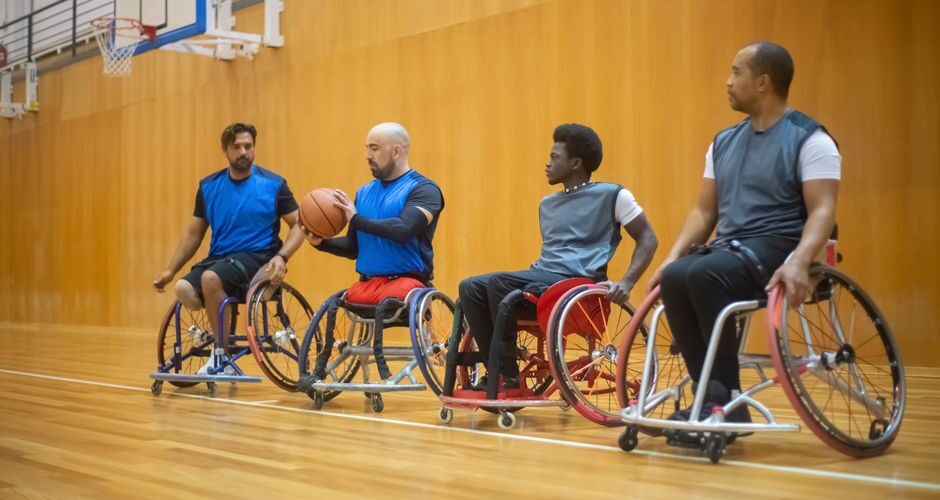
The Growing Need for Inclusive Spaces
In 2026, sports are no longer just about competition — they’re becoming a powerful platform for inclusion. Around the globe, inclusive sports leagues are breaking down barriers that have traditionally excluded athletes with disabilities, women, and marginalized communities. A growing movement driven by passionate individuals and organizations is reshaping the landscape, creating spaces where everyone can participate and thrive.
Innovative Programs Leading the Charge
Innovative programs like Unified Sports from Special Olympics continue to lead the charge. By teaming up athletes with and without intellectual disabilities on the same teams, they foster environments of respect and camaraderie. Cities like London and Tokyo have taken this model to metropolitan levels, launching city-wide leagues that have gained mass participation and media attention. The success is evident: participation has increased by 30% over the past two years, and similar models are being adopted in smaller communities from Reykjavik to Buenos Aires.
Technology: A Catalyst for Change
Technology is playing a crucial role in making sports more accessible. Innovations such as smart prosthetics and adaptive sports equipment have opened up new possibilities for athletes with physical disabilities. For instance, the Smart Sled for ice hockey has gained popularity, allowing users to adjust their equipment in real-time for maximum comfort and performance. Meanwhile, virtual reality training modules are breaking barriers for athletes with visual or auditory impairments, offering immersive practice environments tailored to their needs.
Community-Driven Initiatives
Grassroots movements are a significant part of this inclusivity wave. In 2026, local community-driven leagues are thriving, often organized by volunteers and enthusiasts who see the value in making sports accessible to all. Take the Sunshine League in Melbourne, which started as a small gathering of families and has now ballooned into a regional powerhouse with over 1,000 participants across multiple sports. Their inclusive approach has inspired similar initiatives in cities around the world.
Challenges and Future Outlook
Despite the substantial progress, challenges remain. Funding and resources are often limited, which can hinder the growth of inclusive programs. However, the increasing visibility of these leagues is attracting more sponsors and government support. With ongoing advocacy and strategic partnerships, the future looks promising. In fact, by 2027, experts predict that at least 60% of all sports leagues will incorporate inclusive elements.
Practical Takeaway
As the world of sports continues to evolve, it’s essential to recognize the power of inclusivity. Whether you’re a league organizer, an athlete, or a fan, there are numerous ways to get involved. Supporting inclusive leagues through participation, volunteering, or advocacy can make a tangible difference. As we continue to embrace diversity within sports, we not only enhance the quality and richness of the game but also transform lives and communities.