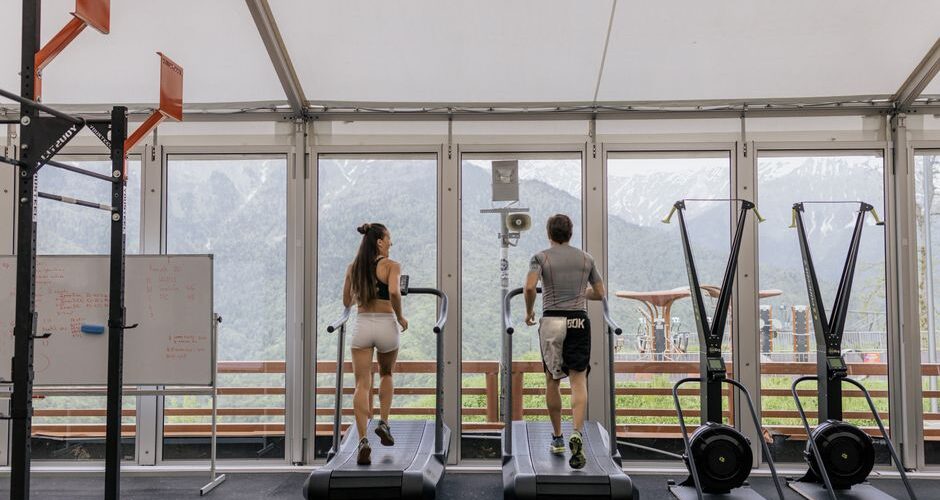
The Allure of Altitude
As we gaze towards the towering peaks of Mount Kilimanjaro or the Andes, one might not immediately think of sports. Yet, in 2026, high-altitude training has become the secret weapon for many elite athletes seeking that competitive edge. The thin air, the rugged terrain, and the pressure of limited oxygen are now winning ingredients for those aiming to enhance their performance and resilience. But why this growing allure, and how is it reshaping athletic training?
Science Behind the Thin Air
High-altitude training, typically conducted at elevations over 2,400 meters (about 8,000 feet), capitalizes on the body’s response to decreased oxygen availability. When exposed to such environments, the body naturally adapts by producing more red blood cells, enhancing oxygen delivery to muscles. This physiological shift results in improved endurance, speed, and overall athletic performance. With advancements in sports science, athletes in 2026 are now able to meticulously plan their training regimes to maximize these benefits.
Global Hotspots for Altitude Training
- Flagstaff, Arizona, USA: At an elevation of about 2,100 meters, Flagstaff has long been a favorite among endurance athletes, offering trails, facilities, and a vibrant sporting community.
- Chamonix, France: Nestled in the French Alps, this picturesque town provides both challenging terrains for training and breathtaking vistas to inspire athletes.
- Iten, Kenya: Known as the ‘Home of Champions’, Iten has produced legendary long-distance runners, thanks to its high altitude and rich cultural focus on running.
- Quito, Ecuador: As one of the highest capital cities in the world, Quito offers unique training opportunities with its diverse landscapes and high elevation.
Technological Innovations Elevating Training
In 2026, the fusion of technology with traditional training methods has taken altitude training to new heights. Athletes are now using hypoxic chambers, which simulate high-altitude environments, allowing them to train at sea level while experiencing the benefits of reduced oxygen. Wearable technology monitors physiological responses in real time, ensuring athletes maximize their training without risking altitude sickness.
Success Stories from the Peaks
From marathon runners shaving minutes off their personal bests to cyclists dominating grueling mountain stages, stories of success abound. The most striking example is that of Emma Ledesma, a long-distance runner from Spain, who attributed her dramatic performance improvement at the 2026 Summer Games to her rigorous altitude training at the Sierra Nevada range.
The Practical Takeaway
For athletes looking to gain an edge, exploring altitude training might be the next step in their journey. It’s about more than just the physical benefits; it’s a mental challenge, pushing boundaries, and testing limits. Whether through travel to iconic high-altitude locations or integrating technology that brings the peaks to you, the world of sports in 2026 has proven that sometimes, the sky truly is the limit.