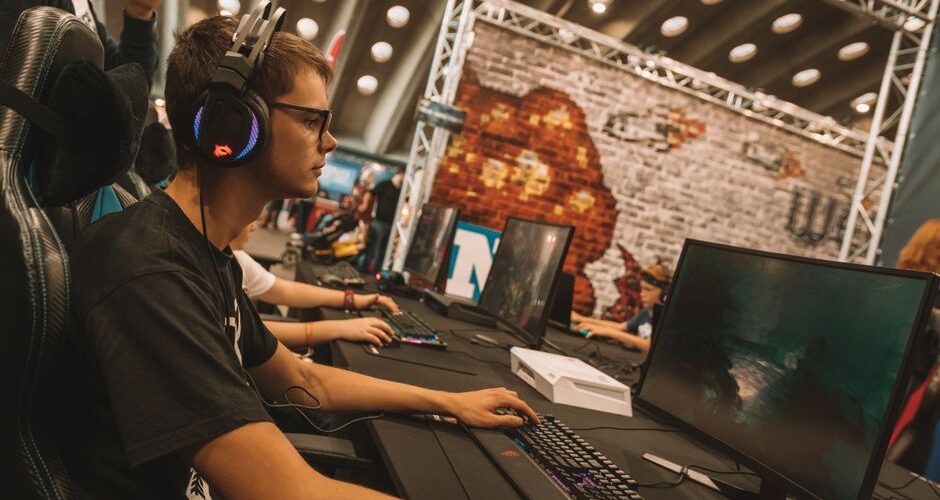
The Evolution of Competitive Gaming Spaces
In the past decade, we’ve witnessed a seismic shift in how the world perceives and interacts with sports. Particularly, the explosion of e-sports has been nothing short of phenomenal. What started as niche LAN parties and small-scale tournaments has evolved into a global phenomenon with dedicated arenas and millions of fans. As of 2026, e-sports arenas are not just spaces for competition but cultural hubs that fuse technology, entertainment, and community.
Designing the Ultimate E-Sports Arena
In creating a venue for e-sports, designers face the unique challenge of merging the digital and physical worlds. Unlike traditional sports arenas, e-sports venues prioritize technology integration and immersive experiences. In cities like Seoul, Tokyo, and Los Angeles, developers are crafting spaces where LED screens stretch across walls, seats have built-in vibrational feedback, and AI-driven light shows respond to in-game action.
A prime example is the new Esports Central in Berlin, a state-of-the-art facility that opened in early 2026. This arena boasts a seating capacity of 20,000, with an additional 10,000 standing spaces, all equipped with ultra-fast internet connectivity and individual screens offering various camera angles and player stats. The venue is not only a competitive space but a community hub with cafes, VR experiences, and interactive exhibits.
The Impact on Local Economies
The rise of dedicated e-sports arenas is reshaping local economies, providing new jobs and stimulating tourism. Cities that invest in these facilities report increased hotel bookings, restaurant patronage, and retail sales. For instance, the city of Las Vegas has seen a 25% uptick in tourism revenue since the opening of its 50,000-seat E-Sports Dome.
Moreover, these arenas are attracting significant sponsorship deals and media rights contracts. In 2026, the global e-sports economy is projected to surpass $3 billion, a sizeable chunk of which stems from events held in these cutting-edge venues. This financial boom is encouraging more cities to invest in e-sports infrastructure, hoping to position themselves as global gaming capitals.
Community and Cultural Engagement
Beyond economic impact, e-sports arenas are becoming cultural touchpoints within their communities. These venues often host workshops, youth leagues, and community events to engage local populations. In New York City, the Liberty E-Sports Arena sponsors coding boot camps and game design workshops for underprivileged youth, fostering the next generation of tech and gaming professionals.
Moreover, these arenas are increasingly places where traditional sports and e-sports intersect. For example, events like ‘Basketball Meets E-Sports’ have become popular, where fans watch a live NBA game followed by an NBA 2K tournament. This fusion not only broadens the audience but enriches the fan experience.
The Future of Fan Engagement
E-sports arenas are at the forefront of redefining fan engagement. With technologies like augmented reality (AR) and virtual reality (VR), fans can experience games from the perspective of their favorite players or interact with digital avatars of athletes. In 2026, the Singapore E-Sports Colosseum introduced holographic displays allowing fans to see life-size projections of players mid-game, making the experience more interactive and memorable.
Fan engagement isn’t just about technology; it’s also about creating communities. Social zones within these arenas offer a space for fans to meet, debate, and celebrate victories, both large and small. These zones often feature giant screens, merchandise stands, and themed food and beverage outlets, all contributing to a vibrant atmosphere.
Practical Takeaway for Stakeholders
For city planners, investors, and sports organizations, the rise of e-sports arenas offers a wealth of opportunities. Investing in these high-tech venues not only taps into a rapidly growing industry but also fosters economic growth and community engagement. As e-sports continues to evolve, staying ahead of technological trends and fan expectations will be crucial for those looking to capitalize on this burgeoning market.