The Unstoppable Growth of Esports
Esports has skyrocketed to the forefront of global entertainment, with the industry projected to surpass $3 billion in revenue by 2027. This explosive growth has positioned esports alongside traditional sports as a major player on the world stage. But what does it take to make it to the top tier of esports athletes? The journey is as rigorous and demanding as any physical sport.
Athletes like Lee “Faker” Sang-hyeok, whose name is synonymous with League of Legends, have become household names, boasting fan followings that rival those of mainstream athletes. The path to such acclaim is paved with relentless practice, strategic thinking, and a deep understanding of the game.
The Rigorous Training Regimen
While it might be tempting to imagine esports athletes lounging in front of screens all day, the reality is far more complex. Top players dedicate upwards of 10 to 12 hours daily to practice. This includes not only playing the game but also analyzing previous matches, studying opponents, and refining strategies.
For instance, the CS:GO team Astralis is known for its meticulous attention to detail. Each player spends hours reviewing game footage, identifying weaknesses in their play, and devising new strategies. It’s a level of commitment that demands both mental and physical stamina.
The Role of Mental Health in Esports
Mental resilience is crucial for esports athletes, who often face intense pressure to perform at the highest level. The esports world has begun to acknowledge the importance of mental health, with many teams employing psychologists to help players manage stress and maintain focus.
Players like Sasha “Scarlett” Hostyn have spoken openly about the psychological challenges of esports. The stresses of performance, travel, and the online spotlight can be overwhelming. Teams now emphasize a balanced approach, incorporating rest days and mental health support into training schedules.
Nutritional Needs of an Esports Athlete
Much like traditional athletes, esports players require a tailored nutritional plan to keep their minds sharp and energy levels steady. Dietitians work alongside teams to design meal plans that support cognitive function and reduce fatigue, focusing on foods rich in omega-3s and antioxidants.
For example, teams like Team Liquid have on-staff nutritionists who craft specific diets for their players. These diets are designed to optimize brain function, incorporating ingredients such as nuts, fish, and green vegetables, which are known to support cognitive health.
The Importance of Physical Fitness
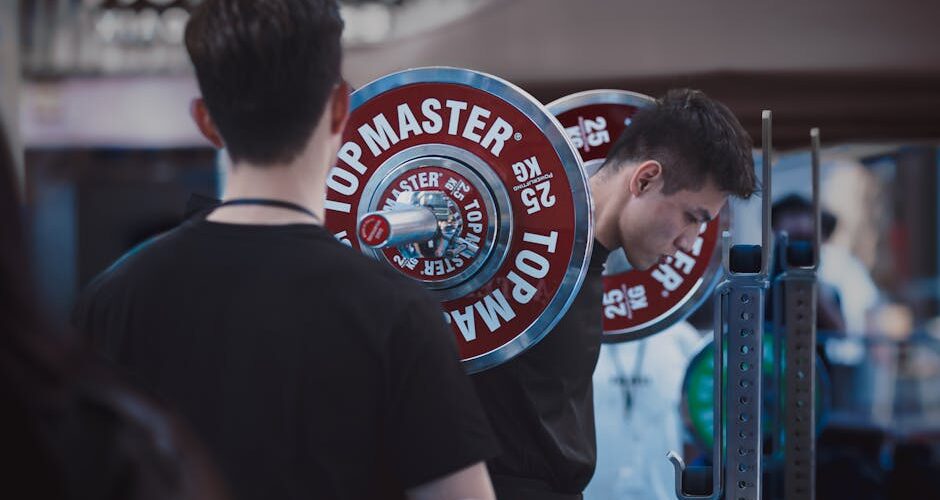
Physical fitness plays a surprisingly significant role in the life of an esports athlete. A well-conditioned body can enhance reflexes, improve posture, and increase overall health, which in turn supports better gameplay.
Top teams like Fnatic integrate physical training into their players’ schedules. Regular exercise routines, including cardiovascular and strength training, help players stay fit and maintain the stamina needed for long hours of competition.
Practical Takeaway: Building the Future of Esports
As esports continues to evolve, aspiring athletes must embrace a holistic approach to training. This involves not only mastering the game but also prioritizing mental health, nutrition, and physical fitness. The discipline and dedication required are immense, yet the rewards of competing at the highest level in this burgeoning industry are equally substantial. Those looking to break into the world of esports in 2026 must prepare for a journey that’s as challenging as it is exciting.