The Resilience Revolution: The New Core of Athletic Training
In 2026, sports training programs are intensifying their focus on resilience. It’s no longer just about physical prowess; mental fortitude is now considered equally important. This shift is evident in elite training camps across the globe, from the snowy peaks of Switzerland to the bustling sports hubs of Tokyo. Coaches are incorporating resilience training techniques, such as visualization and controlled breathing exercises, into their daily routines. The objective? To prepare athletes not just for the game but for the unpredictable challenges they may face on and off the field.
Case Study: How Resilience Transformed Aisha Bennett, the Tennis Prodigy
Aisha Bennett’s breakthrough in 2026 is a testament to the power of resilience. The 23-year-old tennis star faced a career-threatening injury last year. However, rather than derailing her career, it became a catalyst for change. Under the guidance of her mentor, she embraced a rigorous mental conditioning program in addition to her physical recovery. Today, Bennett has returned to the court, not just playing but dominating, thanks to her newfound mental strength.
Resilience Workshops: The New Team-Building Exercise
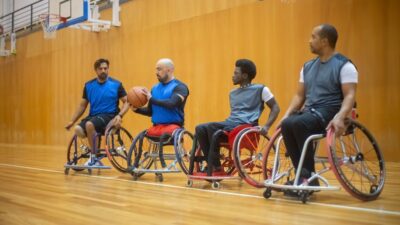
Teams are taking a fresh approach to building camaraderie by hosting resilience workshops. These sessions, now commonly seen in sports teams from the NBA to local soccer clubs, focus on group problem-solving and stress management. Such workshops are aimed at fostering a supportive team environment, where players learn to rely on each other in high-pressure situations. The result? More cohesive teams that perform better under pressure.
The Role of Technology in Measuring Mental Toughness
With advancements in technology, measuring resilience and mental toughness is no longer a guessing game. Wearable devices now track physiological responses to stress, giving coaches data-driven insights into an athlete’s mental state. This science-backed approach helps tailor training programs to address individual needs, ensuring that athletes are equipped to handle stressors that come their way. This technology isn’t just for the pros; amateur athletes and sports enthusiasts are also adopting these tools to enhance their training regimens.
From School Sports to the Olympics: Resilience Training for All Ages
Resilience training isn’t just for elite athletes; it’s making its way into school curriculums and grassroots sports programs. In 2026, educators and coaches recognize that teaching young athletes how to cope with failure and pressure can significantly impact their future success. From middle school basketball teams to high school track stars, resilience training is helping the next generation of athletes develop essential life skills alongside their sporting abilities.
Practical Takeaway: Resilience isn’t just a buzzword in the sports world; it’s a necessary skill for athletes at all levels. Whether you’re an aspiring young athlete or a seasoned professional, integrating resilience training into your routine can provide significant benefits. Embrace techniques like mindfulness and visualization, participate in team workshops, and leverage technology to enhance your mental toughness. The result will be not only improved performance but a more fulfilling sports experience.