The Eco-Friendly Evolution of Sports Venues
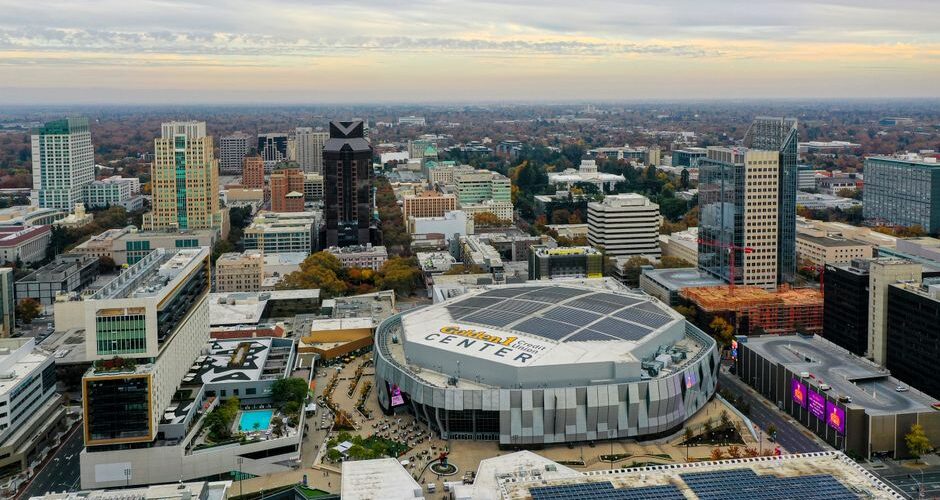
In 2026, sports venues around the world are not just cathedrals of athleticism; they are also becoming beacons of sustainability. The shift towards eco-friendly practices is evident in the major renovations and constructions of arenas and stadiums. Take, for instance, the newly revamped Eden Park in Auckland, New Zealand. The stadium now boasts solar panels that generate nearly 40% of its energy requirements, alongside a state-of-the-art rainwater harvesting system that supplies its lush green fields. This trend is mirrored globally, as venues strive to minimize their carbon footprints while setting new standards for environmental responsibility.
Teams Leading the Charge: Sustainability on and off the Field
It’s not just the venues that are adopting green practices; the teams themselves are embracing sustainability with zeal. The Seattle Seahawks, long known for their commitment to the environment, have taken their efforts a step further this year. The team has partnered with local NGOs to implement a comprehensive recycling program at Lumen Field, aiming to achieve a zero-waste goal by 2027. Meanwhile, FC Barcelona has launched an initiative called ‘Barça Green’, which focuses on reducing the team’s travel carbon footprint by choosing more sustainable modes of transportation and offsetting emissions.
Eco-Friendly Gear: The New Player’s Choice
Athletes in 2026 have more options than ever when it comes to choosing eco-friendly gear. Brands like Nike and Adidas are leading the charge with their latest collections made from recycled materials. Nike’s Flyknit technology, renowned for reducing waste, now uses 100% recycled yarns, while Adidas’ partnership with Parley for the Oceans continues to churn out innovative products using ocean plastic. These brands are not only setting trends but also educating consumers on the importance of sustainable practices in the sports apparel industry.
The Role of Fans: Engaging the Green Wave
Fans play a crucial role in the sustainability movement within sports. Teams are engaging their fanbases through green initiatives and education. The Los Angeles Lakers, for instance, have launched a ‘Green Game Day’ campaign that encourages fans to use public transport, carpool, or bike to games. They also offer incentives like discounted tickets for those who participate in eco-friendly activities. This interaction not only strengthens fan loyalty but also raises awareness about the impact sports fans can have on environmental conservation.
Challenges and Opportunities: The Road Ahead
Despite significant strides, the journey towards full sustainability in sports is not without its challenges. Financial constraints, technological limitations, and resistance to change in certain quarters pose hurdles. However, these challenges also present opportunities for innovation and leadership. Teams, venues, and even fans have the chance to pioneer new solutions that can be adopted globally. With continued collaboration and commitment, the sports industry can serve as a powerful force for environmental change.
Takeaway: As we look towards a greener future, the sports industry is playing a pivotal role in driving sustainable practices. From athletes to fans, everyone is part of this movement. By embracing and supporting green initiatives, the world of sports not only champions athletic excellence but also environmental stewardship.