The Revival of Local Sports Leagues
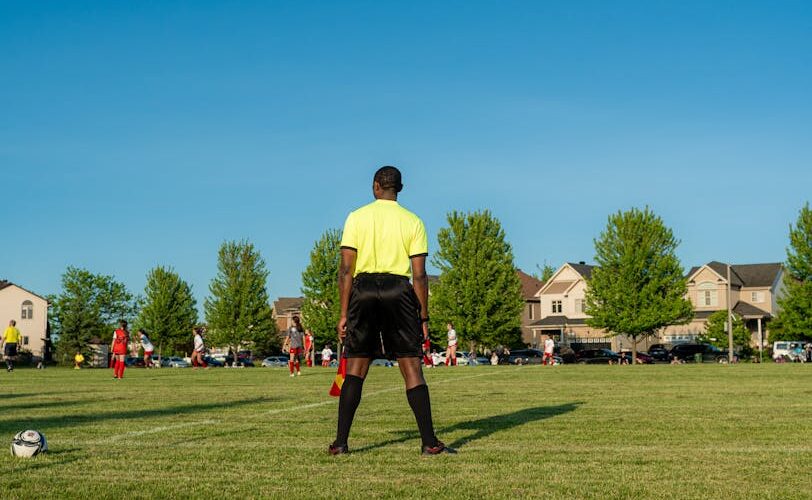
In 2026, local sports leagues are experiencing a remarkable resurgence, redefining community spirit across neighborhoods. No longer seen as mere pastimes, these leagues are fostering stronger bonds, promoting healthier lifestyles, and providing a platform for hidden talents to shine. Cities like Austin, Portland, and Raleigh have seen a 35% increase in participation over the last year alone, transforming local fields and courts into bustling hubs of activity.
Inclusivity: The Driving Force
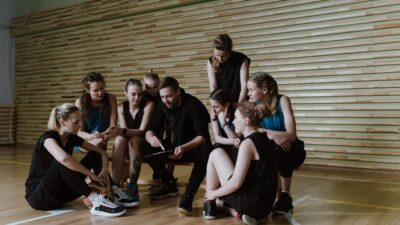
One key factor behind this revival is inclusivity. Leagues are no longer just about competition; they emphasize participation, enjoyment, and personal growth. New initiatives ensure everyone from seasoned players to novices find a place. For instance, the inclusive policy in Portland’s ‘All Play Soccer League’ allows players of varying abilities to play together. This has not only diversified the talent pool but has also enriched the overall sports experience.
Technology: Bridging Gaps
Technology plays a vital role in this grassroots movement. Apps like ‘LeagueConnect’ and ‘SportzMate’ simplify scheduling, communication, and performance tracking. These tools make it easier for players, coaches, and families to stay engaged and informed. In Boston, the ‘Community Sports Hub’ app has over 50,000 downloads, allowing users to manage team logistics seamlessly, from arranging matches to tracking scores and sharing real-time updates.
Community Support and Sponsorship
Grassroots sports thrive on community support. Local businesses are stepping up as sponsors, recognizing the mutual benefits these partnerships bring. In Chicago, the ‘Windy City Basketball League’ secured sponsorship from a local brewery, providing funds for equipment and uniforms. Such sponsors not only gain brand visibility but also reinforce their commitment to community development.
The Role of Volunteers
Volunteers are the unsung heroes of this movement. From coaches dedicating hours to mentoring young players to parents organizing weekend tournaments, their efforts are invaluable. In San Francisco, over 1,200 volunteers contributed in various capacities to the ‘Bay Area Sports Weekend’ last year, demonstrating the power of community involvement in supporting local sports.
Practical Takeaways for Starting Your Own League
- Start Small: Focus on building a single team or a small league to gather interest and maintain manageability.
- Engage with the Community: Involve local schools, businesses, and community centers to widen your support base.
- Utilize Technology: Leverage apps and social media to organize, promote, and communicate effectively.
- Foster Inclusivity: Create an environment where everyone feels welcome and valued, regardless of skill level.
- Seek Volunteers: Mobilize local enthusiasts to take on roles that suit their expertise and interests.
Embracing these strategies can lead to the establishment of a successful local sports league, contributing to the vibrant tapestry of community life.