The Micro-Stadium Boom: Why Smaller is Better
In 2026, the sports world is experiencing a fascinating shift towards micro-stadiums – intimate, smaller venues that are transforming the fan experience and team dynamics. Unlike their colossal counterparts, these pint-sized arenas offer a closer, more personal connection between players and fans. But why are these micro-stadiums gaining such traction, and what makes them so appealing?
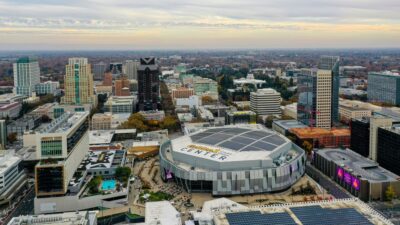
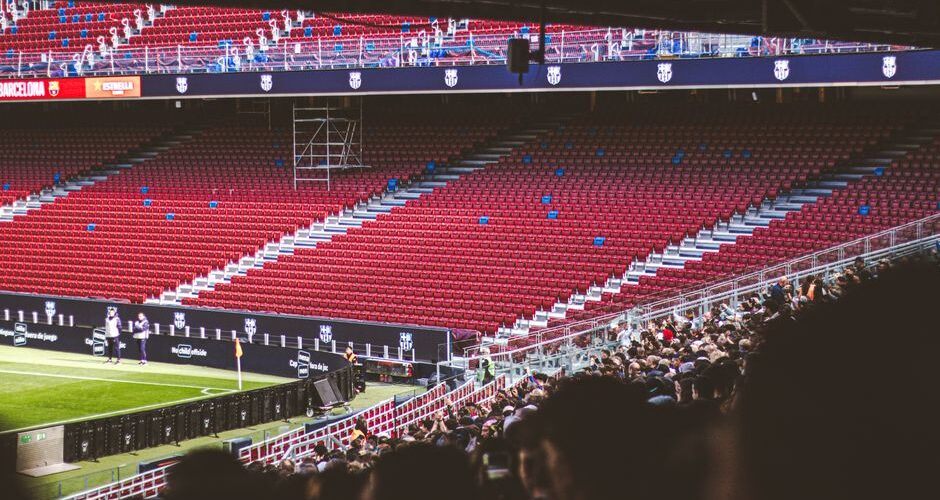
Firstly, these cozy venues provide an unparalleled experience, allowing fans to sit closer to the action than ever before. With capacities ranging from 5,000 to 10,000, these stadiums are perfect for creating an electrifying atmosphere that feels more like a community gathering than a massive event. In cities like Austin, Texas, and Portland, Oregon, micro-stadiums have become a hotspot for local sports enthusiasts eager for an up-close view of their favorite teams.
Enhanced Fan Engagement: More Than Just a Game
At the heart of the micro-stadium movement is the desire to enhance fan engagement. In these smaller venues, every seat is the best seat in the house, and the sense of community is palpable. Fans are no longer just spectators; they are participants in the event, influencing the game with their energy and enthusiasm.
Take, for example, the recently constructed Cedar Park Arena in Austin. With only 8,000 seats, the arena’s design fosters an intimate connection, encouraging fans to interact with players during and after games. The result is a loyal fanbase that feels personally invested in the team’s successes and failures. It’s no wonder that season tickets for Cedar Park Arena’s home team sold out within hours of release.
Economic Viability: A Win-Win for Teams and Cities
Smaller stadiums are not only about fan engagement; they also offer significant economic benefits. These venues require less investment in terms of construction and maintenance, making them an attractive option for smaller teams and cities with limited budgets. Moreover, they can be built quicker and with fewer resources, aligning with sustainable development goals.
Cities like Boise, Idaho, and Madison, Wisconsin, have embraced micro-stadiums as a means to revitalize specific neighborhoods, drawing in tourism and boosting local business. By hosting multiple events beyond sports, such as concerts and community gatherings, these venues ensure a steady influx of visitors, supporting the local economy year-round.
Adapting to Modern Trends: A Future-Proof Solution
The rise of micro-stadiums also aligns with broader societal trends towards sustainability and digital integration. Many of these venues are equipped with state-of-the-art technology, offering immersive experiences that blend live action with augmented reality. Fans can access real-time statistics, player bios, and even order food through mobile apps, enhancing their overall experience.
Moreover, smaller venues are easier to retrofit with green technology. From solar panels to rainwater harvesting systems, micro-stadiums can be designed with the environment in mind, reducing their carbon footprint and setting a new standard for sustainable sports architecture.
Challenges and Considerations: Not All Roses
Of course, the transition to micro-stadiums isn’t without its challenges. Teams must carefully balance the need for intimacy with the desire for a wide-reaching fanbase. Television rights, merchandise sales, and advertising revenue can be impacted by reduced seating capacities. However, many teams are finding innovative ways to offset these challenges through digital streaming and international fan engagement strategies.
Additionally, there’s the question of accessibility. While smaller stadiums offer a unique experience, they might not be able to accommodate disabled fans as effectively as larger venues. Teams must prioritize inclusivity, ensuring that these intimate settings are welcoming to all fans.
Key Takeaways: The Future of Fandom
As we look ahead, it’s clear that micro-stadiums represent a significant shift in how we think about sports venues. By prioritizing fan engagement, economic sustainability, and technological innovation, these smaller arenas are redefining the sports experience. For teams and cities willing to embrace this trend, the rewards are substantial: a passionate fanbase, vibrant local economies, and a blueprint for the future of sports.
For sports enthusiasts and city planners alike, this movement towards intimacy in sports offers an exciting opportunity to rethink how we connect with the games and teams we love.