The Impact of AI on Athletic Performance Analysis in 2026
As we stand in the year 2026, the world of athletics is seeing transformations that feel almost futuristic. Artificial Intelligence (AI) isn’t just a buzzword; it’s an integral part of how teams, coaches, and athletes achieve their peak performance. Let’s explore how AI is revolutionizing athletic performance analysis today.
The Precision of Wearable Tech
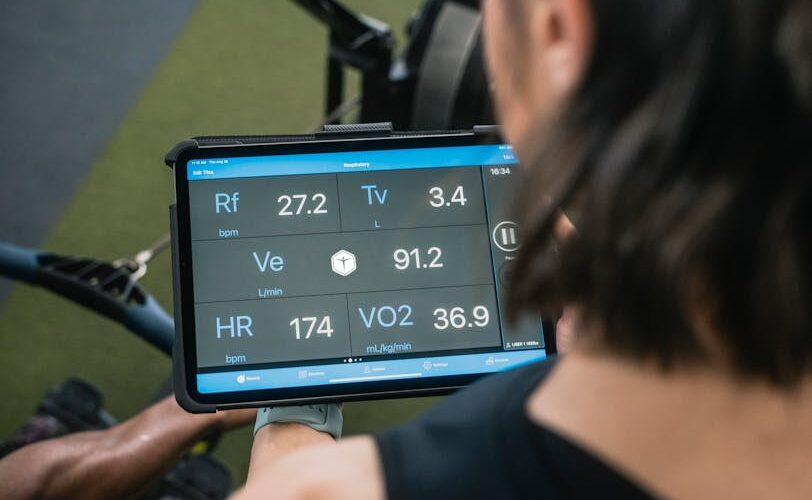
Wearable technology has come a long way from simple fitness trackers. In 2026, athletes are equipped with advanced wearables that use AI to provide real-time performance insights. These devices don’t just track steps or heart rates; they analyze muscle strain, fatigue levels, and even emotional states.
Consider a football match in the bustling city of Madrid. Each player wears a smart shirt equipped with sensors connected to a centralized AI. During the game, the AI analyzes millions of data points, advising the coach when a player is nearing fatigue or at risk of injury. This precision ensures that substitutions are not only strategic but also prevent injuries, leading to a more dynamic and safer game.
AI-Powered Video Analysis
Video analysis has traditionally been the domain of human analysts, painstakingly reviewing footage to gain insights into team dynamics and strategies. Now, AI takes over this role with unparalleled efficacy. Using computer vision, AI algorithms break down hours of footage into actionable insights within minutes.
In Manchester, a rugby team’s coaching staff uses AI to dissect footage of both their own games and their opponents’. The AI identifies patterns and tendencies, which the coaches can then exploit. This technology allows teams to refine their strategies with surgical precision, improving their chances of victory exponentially.
Enhancing Training Regimens
Training is no longer a one-size-fits-all affair. With the integration of AI, training regimens are crafted to meet the specific needs of each athlete. AI systems analyze historical performance data, current fitness levels, and even genetic information to devise personalized training programs.
In Tokyo, a track and field athlete might find her training regimen perfectly tailored to enhance her sprinting capabilities. The AI system continuously learns and adapts, suggesting modifications as she progresses. This ensures that athletes are always training at their optimal level, reducing the risk of overtraining and injury.
Predictive Injury Analysis
One of the most remarkable advancements is in the realm of injury prediction. AI systems use vast datasets, including biomechanical and environmental factors, to predict and prevent injuries. These systems act as early warning signals for coaches and medical staff.
Imagine a basketball team in Chicago where AI analysis indicates that a star player’s jump shots are showing subtle deviations from the norm. The system flags this as a potential precursor to an ankle injury. The coaching staff intervenes with targeted physiotherapy, preventing what could have been a season-ending injury. Such predictive capabilities are changing how teams handle player health.
The Ethical Side of AI in Sports
With all technological advancements come crucial ethical considerations. The use of AI in sports raises questions about data privacy, fairness, and the essence of human competition. While AI provides insights that were previously unimaginable, it also challenges the traditional values of sportsmanship.
In New York, debates are ongoing about how much AI intervention is permissible before it alters the nature of the sport. Can AI-optimized athletes still be considered the best if they rely heavily on technology to gain an edge? These discussions are shaping regulations and guidelines to ensure that technology enhances rather than overshadows human talent.
Practical Takeaway for Athletes and Coaches
Amidst the technological advancements, the core of athletic excellence remains unchanged: dedication, discipline, and passion. AI is a tool—an incredibly powerful one—that athletes and coaches can use to maximize their potential. However, it’s crucial to balance technology with traditional training methods and the human touch.
As AI continues to evolve, embracing its capabilities while maintaining the integrity of the sport will be key. For coaches, this means staying informed about the latest AI tools and integrating them into training without losing sight of the athlete’s personal goals and ambitions. For athletes, understanding the data and insights provided by AI can lead to smarter training and better performance, ultimately achieving personal and team objectives.