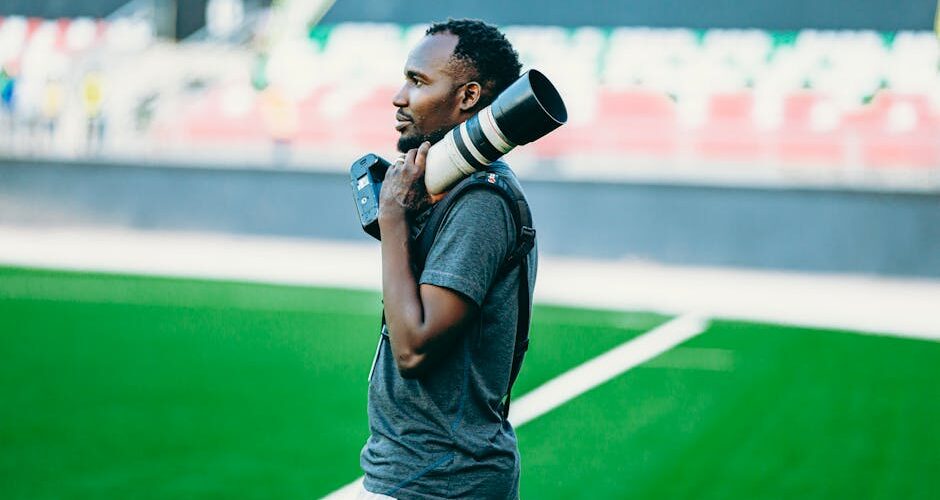
Understanding the Dynamics of Sports
Sports photography is an exhilarating field, blending the precision of art with the unpredictability of action. Capturing the essence of a high-stakes moment in games like soccer, basketball, or tennis demands not just a keen eye but an understanding of the sport itself. Each sport has its own rhythm and flow, and knowing these can significantly enhance your photographic outputs.
Consider a soccer match at Wembley Stadium. The positioning of players, the pace of the game, and the potential for unexpected twists all contribute to moments of intense drama. A photographer who can anticipate a striker’s move or a goalkeeper’s dive will capture images that tell a story beyond what a casual observer might see.
Choosing the Right Equipment
The right gear can make or break your sports photography experience. While you don’t need the most expensive equipment to start, certain tools will undoubtedly improve your results. A fast camera with a high frame rate is essential for capturing the rapid movements typical in sports.
- Camera Bodies: Consider models like the Canon EOS-1D X Mark III or Nikon D6, both offering incredible speed and autofocus capabilities.
- Lenses: A 70-200mm lens is versatile for many sports, while longer lenses like 400mm f/2.8 are perfect for larger fields or stadiums.
- Accessories: Monopods can provide stability without sacrificing mobility, which is crucial when shifting quickly between action points.
Mastering Timing and Positioning
Timing is everything in sports photography. The ability to predict the peak action moment—like a slam dunk at Madison Square Garden or a sprint finish at the Boston Marathon—can set your work apart from others. Positioning yourself strategically is equally important. For instance, being at the finish line for a race or near the goalpost in a soccer match can yield iconic images.
Experience and anticipation go hand-in-hand. Regularly shooting at varied venues, such as the Melbourne Cricket Ground or Roland Garros, will hone your instincts for when and where events will unfold dramatically.
Capturing Emotion and Storytelling
Emotion is at the heart of sports. The triumphs, defeats, and raw intensity of competition are what captivate audiences. As a photographer, bringing these emotions to life through your lens transforms a good photo into a memorable one.
Focus on the human elements—expressions of joy or despair, the camaraderie among teammates, or the resolute focus of an athlete in the heat of competition. These are the moments that resonate most with viewers, connecting them to the event on a personal level.
Editing for Impact
Post-processing is where you can refine your images to highlight their strengths. Software like Adobe Lightroom and Photoshop are industry standards, offering tools to adjust exposure, contrast, and color balance. However, restraint is key; the aim is to enhance, not to alter the reality of what was captured.
Consider cropping to improve composition or using black and white to emphasize tone and emotion. Consistent editing styles can also help build a recognizable personal brand, making your work stand out in a crowded field.
Building a Portfolio and Networking
Building a portfolio is crucial for showcasing your skills to potential clients. Focus on a diverse range of sports, venues, and angles to demonstrate your versatility. Incorporate standout shots like a cricket player’s triumphant raise of the bat at Lord’s or a tearful post-match embrace at the Super Bowl.
Networking is equally important. Engage with fellow photographers, sports journalists, and industry insiders at events and online platforms. Social media communities and professional groups can also offer invaluable connections and opportunities for collaboration.
By immersing yourself in the world of sports photography, continuously refining your skills, and building relationships within the industry, you can master the art and craft images that capture the spirit of sport beautifully.
Practical Takeaway: To excel in sports photography, immerse yourself in the sport, choose the right gear, master timing, and focus on storytelling through emotion. These elements combined will help you create compelling images that captivate audiences.