Introduction to Adaptive Sports
The world of sports is continually evolving, and one of the most exciting developments in recent years has been the rise of adaptive sports. As we move through 2026, these sports have gained significant traction, not merely as a form of physical activity but as a powerful movement fostering inclusivity and breaking down barriers for athletes with disabilities.
Adaptive sports are designed to allow individuals with physical or intellectual disabilities to participate fully, often using specialized equipment or modified rules. With advancements in technology and changing societal attitudes, these sports are no longer considered niche but are becoming mainstream, drawing attention from enthusiasts and spectators alike.
Technological Innovations Pushing Boundaries
Technology plays a crucial role in the expansion of adaptive sports. One of the most remarkable advancements includes the development of highly sophisticated prosthetics that provide athletes with unparalleled performance capabilities. Companies like Össur and Ottobock are at the forefront, producing bionic limbs that mimic natural movement, offering athletes a competitive edge.
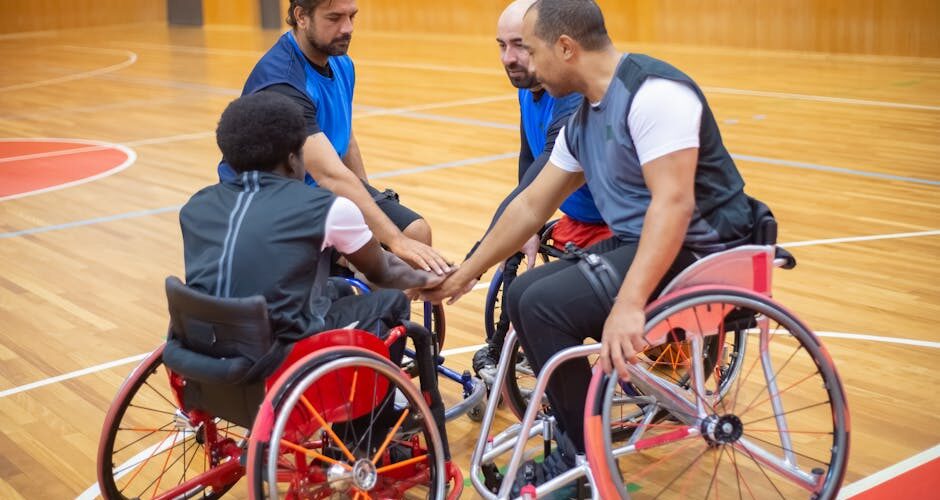
Moreover, innovations in wheelchairs and other adaptive equipment have made sports like wheelchair basketball and racing more accessible and competitive. These advancements not only enhance the athletes’ performance but also their safety, allowing them to push boundaries previously thought impossible.
The Role of Adaptive Sports in Community Building
Adaptive sports are proving to be a vital tool for community building. Across the globe, organizations and local clubs are forming to support these sports, creating a sense of belonging and empowerment among participants. This movement emphasizes the social and psychological benefits of sport, encouraging individuals to engage, connect, and thrive in a supportive environment.
Communities are embracing events like the Paralympic Games, which continue to grow in popularity and prestige. The 2026 Winter Paralympics in Milan-Cortina, for instance, is set to be one of the most viewed yet, showcasing not only the athletes’ incredible talents but also the unifying power of sport.
Breaking Down Stereotypes and Promoting Inclusivity
One of the greatest impacts of adaptive sports is their ability to challenge stereotypes and promote inclusivity. By highlighting the capabilities and achievements of athletes with disabilities, these sports help to change perceptions and encourage a more inclusive society.
High-profile athletes such as Tatyana McFadden in wheelchair racing and Oksana Masters in adaptive skiing serve as powerful role models, inspiring both disabled and able-bodied individuals. Their stories of perseverance and success resonate widely, underscoring the message that disability does not equate to inability.
How to Get Involved in Adaptive Sports
For those interested in participating in adaptive sports, there are numerous pathways available. Many organizations and clubs offer programs specifically tailored to beginners, providing the necessary equipment and guidance. The Adaptive Sports USA and Move United are excellent resources for finding local teams and events.
Volunteering is another impactful way to engage with the adaptive sports community. Helping athletes during training sessions or events can be incredibly rewarding and offers insight into the dedication and spirit present in this unique sporting world.
Takeaway: A Future of Unlimited Potential
The rise of adaptive sports in 2026 is a testament to human ingenuity and spirit. These sports not only offer athletes with disabilities a platform to showcase their talents but also serve as a catalyst for societal change, promoting inclusivity and breaking down long-standing barriers. As technology continues to advance and societal attitudes shift, the future of adaptive sports holds unlimited potential for growth, participation, and inspiration.