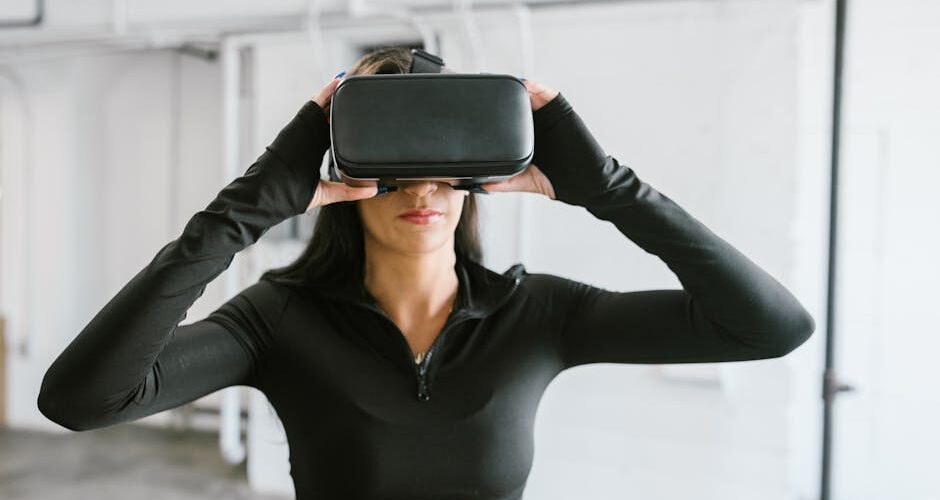
How VR is Revolutionizing Sports Training in 2026
The year is 2026, and virtual reality (VR) is no longer just a futuristic concept reserved for video games and tech enthusiasts. It has made groundbreaking inroads into the world of sports training, offering athletes unprecedented ways to hone their skills, simulate real-game scenarios, and even rehabilitate from injuries.
The Rise of VR in Sports Training
Virtual reality’s entrance into sports training began subtly in the early 2020s, but its impact has surged exponentially in recent years. Thanks to the advancement in VR technology and its affordability, sports teams globally have embraced VR as a staple in their training regimens.
Take the Los Angeles Rams, for instance. Their coaching staff reports a 30% improvement in player decision-making speed after integrating VR simulations into their training. This technological leap allows players to experience thousands of game scenarios without the physical toll of on-field practice.
Enhancing Athlete Performance
For individual athletes, VR offers a unique opportunity to practice in a controlled, repeatable environment. Golfers can now practice their swings on virtual replicas of world-famous courses, fine-tuning their techniques without the need to travel. Meanwhile, professional tennis players use VR to perfect their serves by analyzing ball trajectory and spin in real time.
The data gathered from these VR systems provide actionable insights. According to a 2025 study by the Sports Technology Institute, athletes using VR training experienced a 25% faster improvement in their technical skills compared to those using traditional methods.
Revolutionizing Team Strategy
Beyond individual performance, VR is transforming how teams strategize and prepare for competitions. Football teams, for example, use VR to simulate opponents’ plays. The Dallas Cowboys have taken this to new heights, employing VR to analyze countless hours of game footage, allowing players to “play against” digital representations of their rivals.
This capability enables teams to explore various tactical approaches and respond to potential strategies in real time, vastly improving their game-day preparedness. Coaches are now more like directors, crafting plays in a virtual space, then testing them on the field.
Injury Recovery and Prevention
Injury is a common setback in sports, but VR is reshaping recovery methods. Athletes can now undergo virtual rehabilitation programs that simulate physical therapies, allowing them to maintain mental acuity and motivation during recovery.
Consider the case of Serena Williams, who in 2024, used VR-assisted rehab following a severe ankle injury. The tailored program not only shortened her recovery time by 20% but also helped her maintain competitive focus. Moreover, VR’s role in injury prevention is growing; predictive simulations now help identify an athlete’s physical limits, recommending adjustments to training regimens before injuries occur.
Broadening Accessibility and Inclusion
VR is also playing a crucial role in making sports training more accessible. People with disabilities or those living in areas with limited access to training facilities can now immerse themselves in virtual training environments. Organizations like Special Olympics have begun adopting VR to offer specialized training programs, providing athletes with disabilities a chance to train and compete like never before.
For instance, a visually impaired runner can experience a guided run through VR, offering sensory feedback and audible cues, all within the safety of a controlled environment.
The Practical Takeaway
Virtual reality in sports training has moved far beyond its experimental stage; it’s a transformative force that enhances performance, strategy, and recovery. Whether you’re an athlete aiming to refine your skills, a coach developing new strategies, or a rehab specialist fostering recovery, VR offers a wealth of opportunities.
As technology continues to advance, its integration into sports will only deepen, pushing the boundaries of what athletes can achieve. The future of sports training is not just on the field—it’s in the virtual realm.